
Altair SpiceVision PRO is the premium release of Altair’s high-performance SPICE circuit simulation and waveform analysis environment. This professional-grade toolset combines a robust SPICE simulation engine with an advanced waveform visualization and measurement system, specifically engineered for analyzing complex analog and mixed-signal designs. It accelerates design validation by providing deep, interactive insight into circuit behavior, performance limits, and potential failures, directly from simulation data.
Altair SpiceVision PRO is a cutting-edge analog/mixed-signal simulation and analysis tool designed for Analog IC Designers, Mixed-Signal Engineers, RF Designers, Power Electronics Engineers, Validation Engineers, and Senior Device Physicists working on precision analog, RF, and power management integrated circuits.
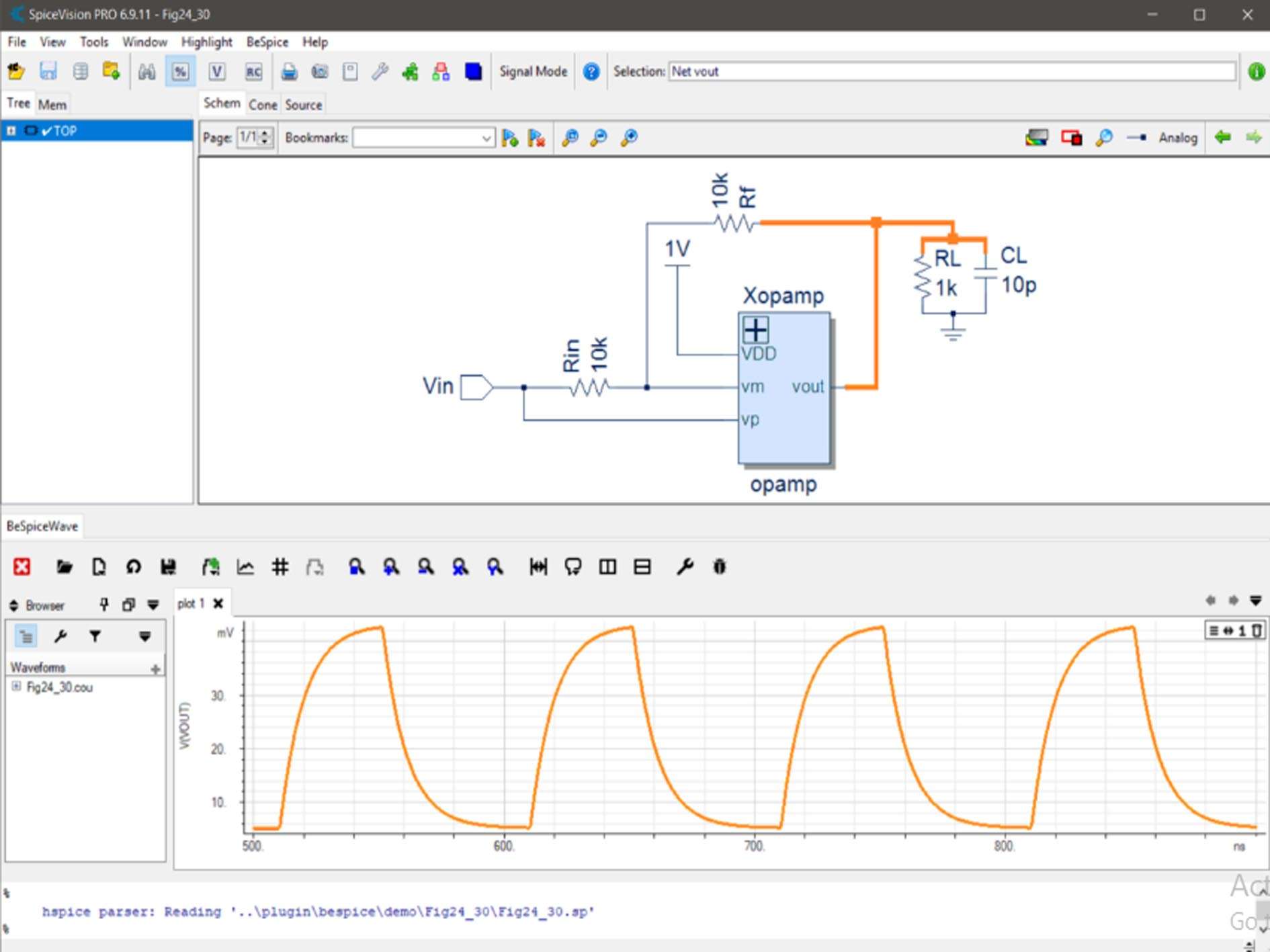
Advanced SPICE Simulation Engine: Supports industry-standard SPICE models (BSIM, PSP, HICUM) and offers fast, accurate transient, AC, DC, and noise analysis for large, complex circuits.
Interactive Waveform Visualization: High-performance waveform viewer with real-time zoom, pan, and measurement on massive simulation datasets (terabytes of data).
Automated Measurement & Scripting: Built-in measurement library for standard analog metrics (gain, bandwidth, phase margin, slew rate) and support for Tcl/Python scripting for custom analysis and batch processing.
Waveform Calculator & Expression Engine: Powerful mathematical engine for creating derived waveforms, performing complex signal processing, and calculating user-defined performance metrics.
Cross-Probing & Schematic Integration: Bi-directional linking between schematic (from supported environments) and waveforms; click on a net or device to instantly view its signals.
Statistical Analysis & Monte Carlo: Integrated tools for yield analysis, including Monte Carlo simulation result visualization, histogram plotting, and process corner analysis.
The 2026 release focuses on AI-enhanced workflows, cloud scalability, and next-generation design challenges.
AI-Powered Analysis Suggestions: Machine learning algorithms suggest critical measurements, potential failure points, and relevant comparison waveforms based on circuit topology and simulation type.
Cloud-Native Scalability: Enhanced support for distributing and managing batch simulations and analyses across cloud or on-premise compute clusters directly from the GUI.
Enhanced RF & mmWave Analysis: New dedicated panels and measurements for S-parameters, noise figure, IP3, and EVM analysis, catering to RFIC and high-frequency design.
Real-Time Collaboration Features: Cloud-enabled waveform sharing and live annotation tools for team-based design reviews and remote debugging sessions.
Expanded Model & Simulator Support: Broader support for the latest compact models (BSIM-CMG, BSIM-IMG) and improved co-simulation interfaces with digital simulators for true mixed-signal verification.
OS: 64-bit Linux (RHEL 9.x, Rocky Linux 9.x, Ubuntu 22.04 LTS+) or Windows 11.
CPU: Intel Core i9 / Xeon or AMD Ryzen 9 / EPYC with high single-thread performance.
RAM: 32 GB minimum (128 GB+ recommended for large post-layout simulations).
Storage: 20 GB+ install space; NVMe SSD critical for waveform I/O performance.
Graphics: Dedicated GPU (NVIDIA RTX A-series or GeForce RTX 40-series) with 8GB+ VRAM.
Price: 325 $
Price Currency: $
Operating System: Windows
Application Category: Electronics













Reviews
There are no reviews yet.